
🕊️ The Overlooked Key to the Mediterranean Diet: Fasting in the Traditional Orthodox Way

By Amanda Harrison, PGD RN HWC — Mediterranean Diet Specialist
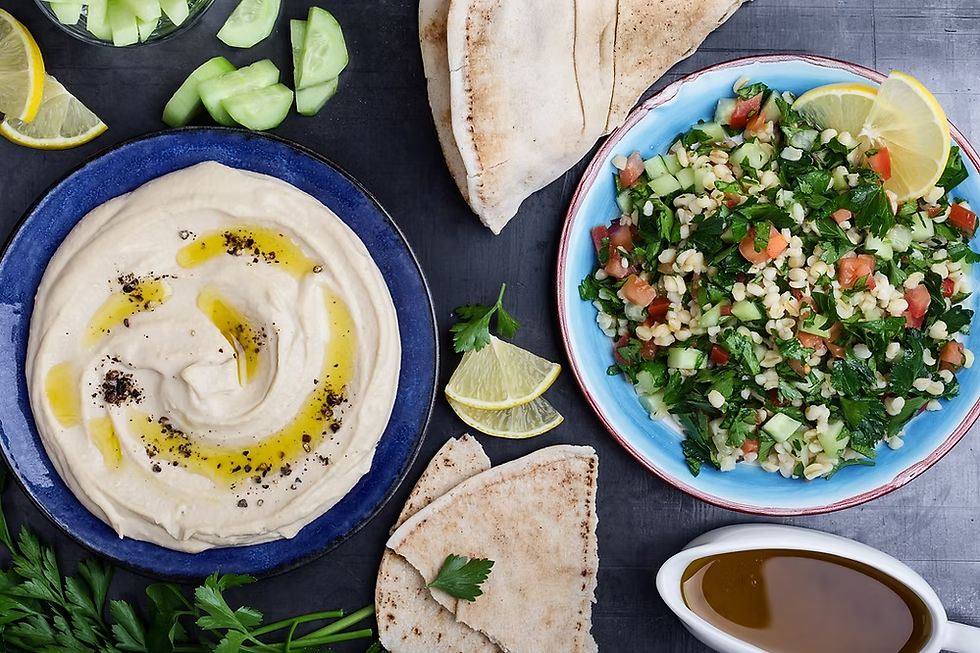
When we think of the Mediterranean diet, we often imagine colourful plates of vegetables, al dente pasta and fresh meat and fish, all finished with a drizzle of extra virgin olive oil and herbs. But one of the most powerful and least discussed elements of this traditional lifestyle is fasting.
For centuries, Christian Orthodox communities throughout the Mediterranean have practiced structured fasting periods that naturally align with what modern nutrition science recognizes as beneficial patterns for longevity, metabolic health and inflammation reduction.

🌿 Fasting: The Original Mediterranean Eating Rhythm
Before “intermittent fasting” became a modern trend, people in Cyprus, Greece, Crete, and many parts of the Middle East were already living by an intuitive rhythm of both feasting and fasting. These fasting traditions were not about restriction or weight loss, but instead designed to promote both physical and spiritual self-discipline, balance and mindfulness.
💚 What Orthodox Fasting Entails
During fasting periods, Orthodox Christians traditionally abstain from:
Dairy products and eggs
Meat, poultry, and animal fats
Wine and olive oil (on stricter fasting days as these traditionally were kept in animal skin)
This plant forward eating pattern rich in seasonal vegetables, fruits, legumes, whole grains, nuts, seeds and locally sourced honey. Additionally they are often complemented by shellfish and seafood without a backbone, which is permitted in many fasting periods. This natural shift to plant based eating closely mirrors the evidence based principles of the Mediterranean diet that support gut diversity, cardiovascular health, and metabolic flexibility.
📆 The Annual Fasting Calendar
Orthodox Christians traditionally fast for nearly half of the year, but in a cyclic and balanced manner. The four main fasting periods are:
Great Lent (40 days before Easter) – the most intensive plant-based fast.
The Nativity Fast (before Christmas) – a 40-day moderate fast (this is coming up in November).
The Apostles’ Fast (early summer) – varies in length, generally lighter.
The Dormition Fast (August 1–14) – a shorter, stricter fast.
On top of this, Wednesdays and Fridays are regular fasting days, creating a gentle rhythm of twice-weekly plant based eating — not unlike the modern “5:2” fasting concept.
💚 Evidence Based Health Benefits
Several studies from Cyprus and Greece have analysed the impact of Orthodox fasting on health outcomes, showing that these traditional patterns can:
Promote longevity via moderate calorie reduction and nutrient dense plant foods
Improve lipid profiles (lower LDL cholesterol, increase HDL)
Enhance glycaemic control and insulin sensitivity
Reduce oxidative stress and inflammation
Support gut microbiome diversity through increased fibre and phytonutrient intake
These findings confirm what traditional cultures have practiced for centuries: that periodic, mindful restriction can be deeply restorative.
🍋 How to Integrate Mediterranean Orthodox Fasting Into Modern Life

You don’t need to follow the entire ecclesiastical calendar to benefit. Consider starting with these practical steps:
Adopt a plant based focus just twice a week (think non processed vegan on Wednesdays and Fridays) — use grains, legumes, greens, and olive oil as staples.
Limit animal products periodically to allow your body to rest from excess saturated fat and protein load.
Cook seasonally and simply, emphasizing local produce and herbs. Ideally growing your own and by foraging.
Eat mindfully, maintaining the spirit of gratitude and moderation central to this tradition.
Reintroduce meat, fish, and dairy thoughtfully after fasting periods, focusing on quality over quantity.
🌸 In Summary
Traditional Orthodox fasting is one of the most underappreciated contributors to the Mediterranean diet’s health benefits. It combines scientifically supported plant based nutrition with ancient rhythms of restraint and renewal.


Comments